Planning a structured group journey across the Austrian Tyrol requires more than scenic ideas. It depends on timing, road access, accommodation capacity, and smooth coordination between stops. This guide explains how to plan a 5 day coach itinerary through the Austrian Tyrol in a way that works for professional tour operators, not just individual travelers.
It focuses on real operational needs, drive times, group-friendly excursions, and reliable accommodation, while still delivering the alpine experience people expect when visiting Austria.
How to Plan a 5 Day Coach Itinerary Through the Austrian Tyrol
Here’s the thing: most itinerary guides are written for couples or solo travelers. That approach rarely works for coach groups. When planning how to plan a 5 day coach itinerary through the Austrian Tyrol, the structure has to account for fixed schedules, group pacing, and logistical constraints.
The Austrian Tyrol offers one clear advantage. Distances between major highlights remain short, yet the landscape shifts quickly from historic city centers to snow-capped peaks and valley routes. According to the Austrian National Tourist Office, Tyrol remains one of the most visited Alpine regions due to its accessibility and dense concentration of attractions.
That density allows a five-day route to feel full without becoming exhausting. And that’s why it matters.
Understanding Coach Travel Logistics in the Austrian Tyrol
A coach itinerary works only when timing aligns with regulations and group comfort. Driving hours in Austria follow EU rules, where daily driving typically stays within 9 hours, with mandatory breaks. For a five-day route, most segments should remain between 1.5 and 3 hours to avoid fatigue.
Parking also defines success. Larger city centers, such as Innsbruck, provide designated bus zones, while alpine villages often limit access. This is where selecting the right base location becomes critical.
Seasonal timing changes everything. During the summer months, road conditions remain stable, and cable car access opens higher elevation routes. Winter, on the other hand, introduces restrictions but offers quieter routes for low-season group programs.
Best Route Structure for a 5 Day Austria Tour
A balanced route keeps travel efficient while maintaining variety. The following structure reflects typical flow patterns used by an experienced trip planner in Austria.
| Day | Base Location | Highlights | Driving Time |
| Day 1 | Tyrol Entry Region | Arrival, orientation | Short |
| Day 2 | Innsbruck | City culture, historic sites | 2–3 hrs |
| Day 3 | Alpine Region | Cable car, panoramic views | 1–2 hrs |
| Day 4 | Valleys & Heritage | Scenic routes, UNESCO surroundings | 2–3 hrs |
| Day 5 | Departure Hub | Relaxation, return | Short |
This structure avoids backtracking while keeping each day manageable for group travel.
Day-by-Day Coach Itinerary Through the Tyrolean Alps
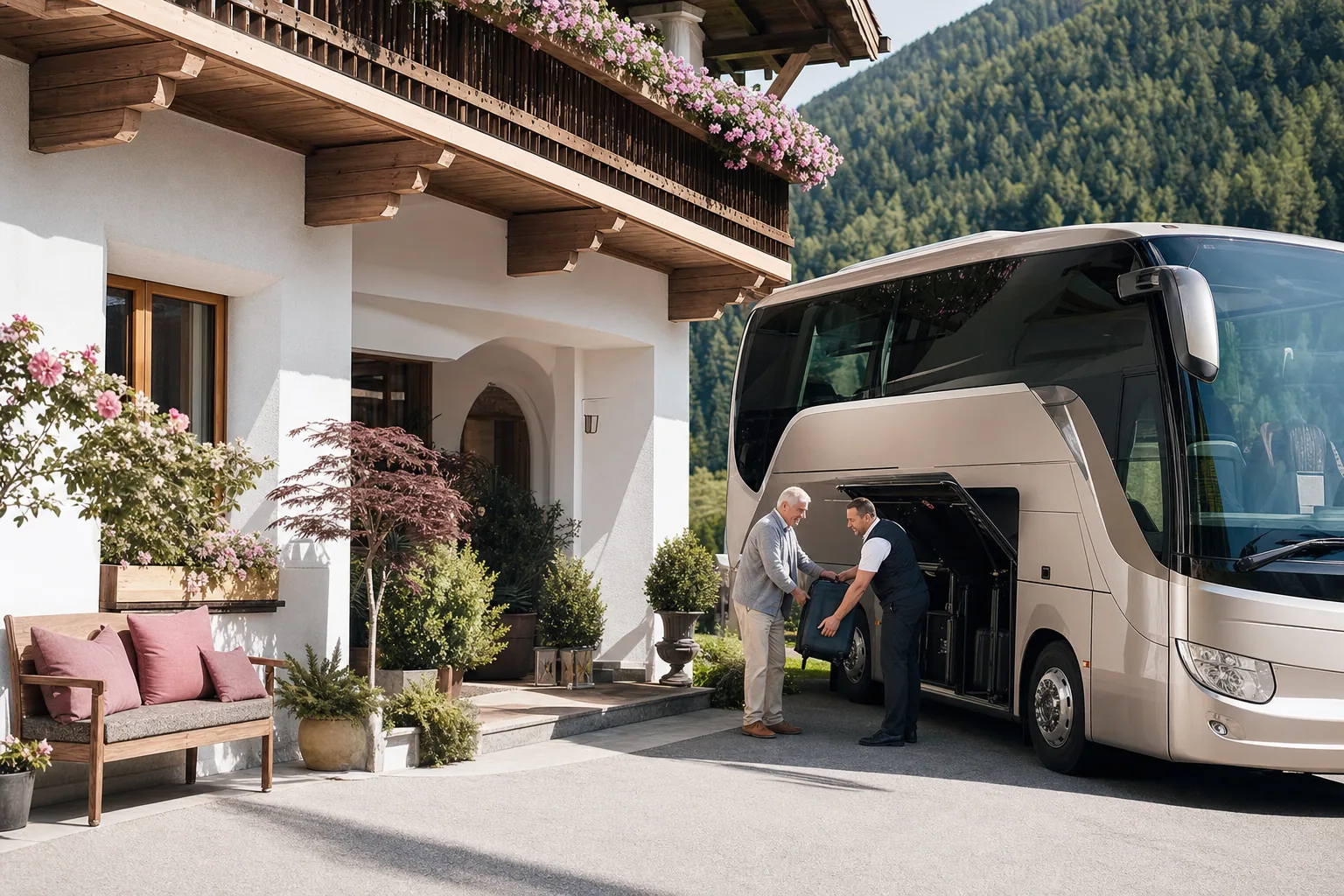
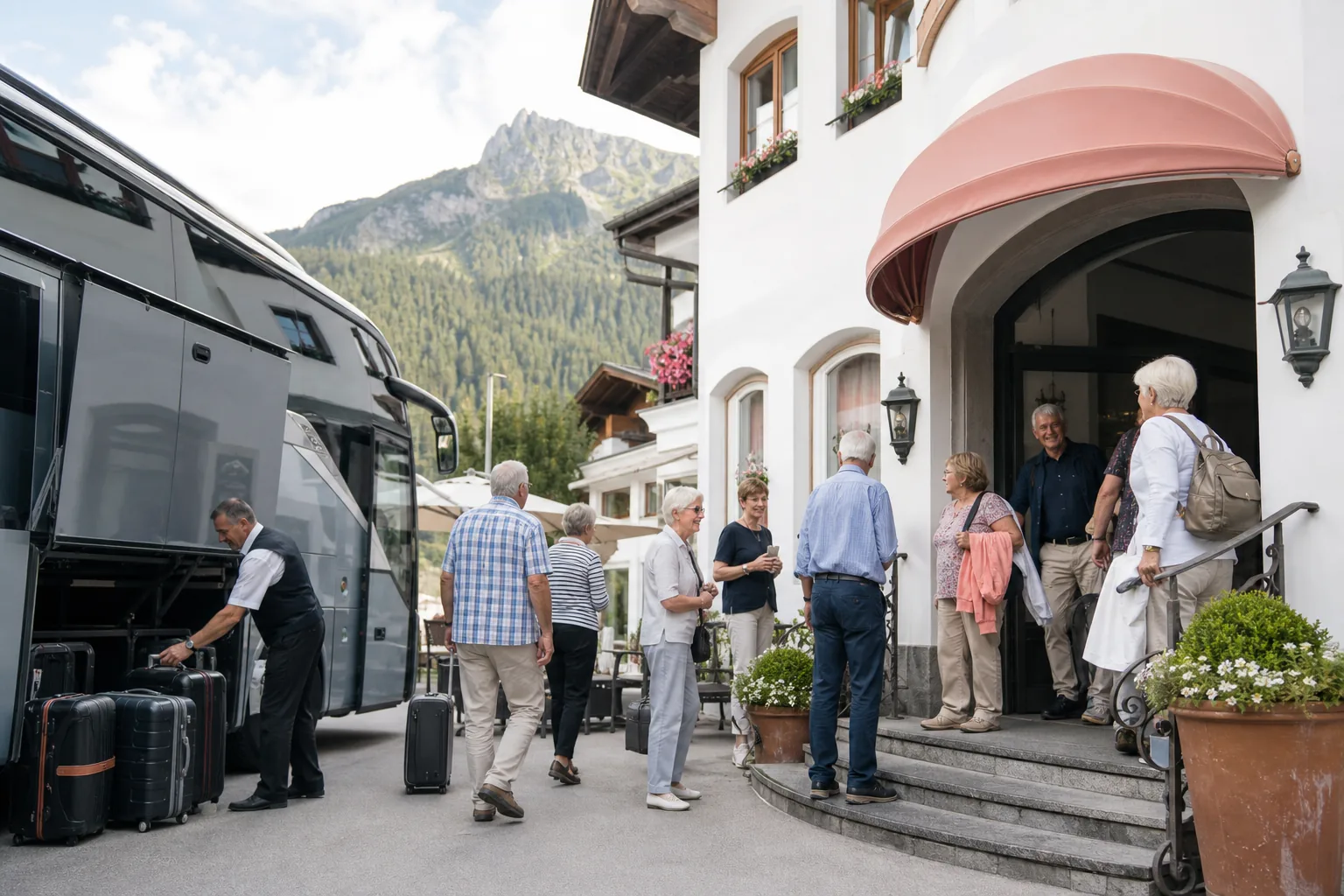
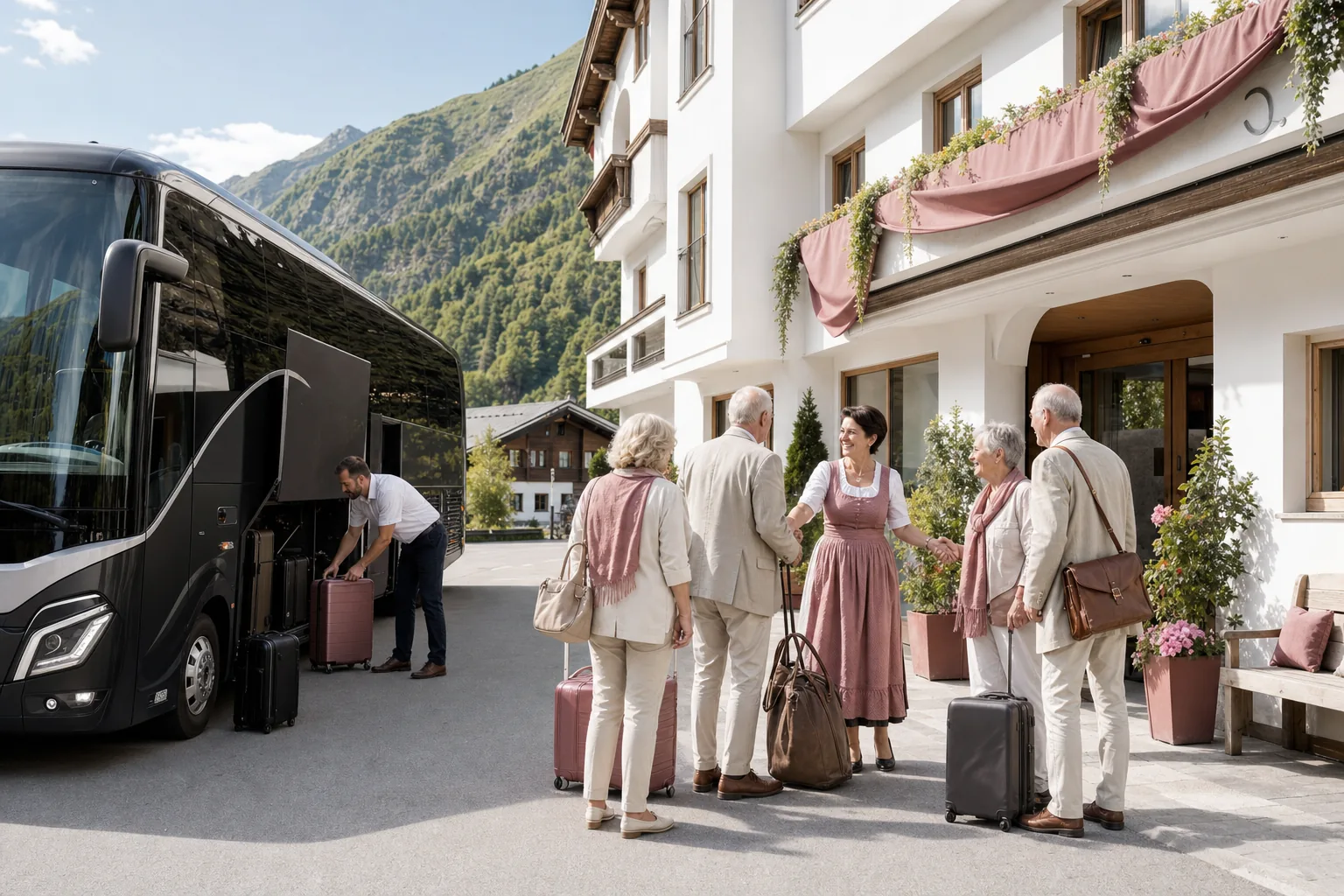
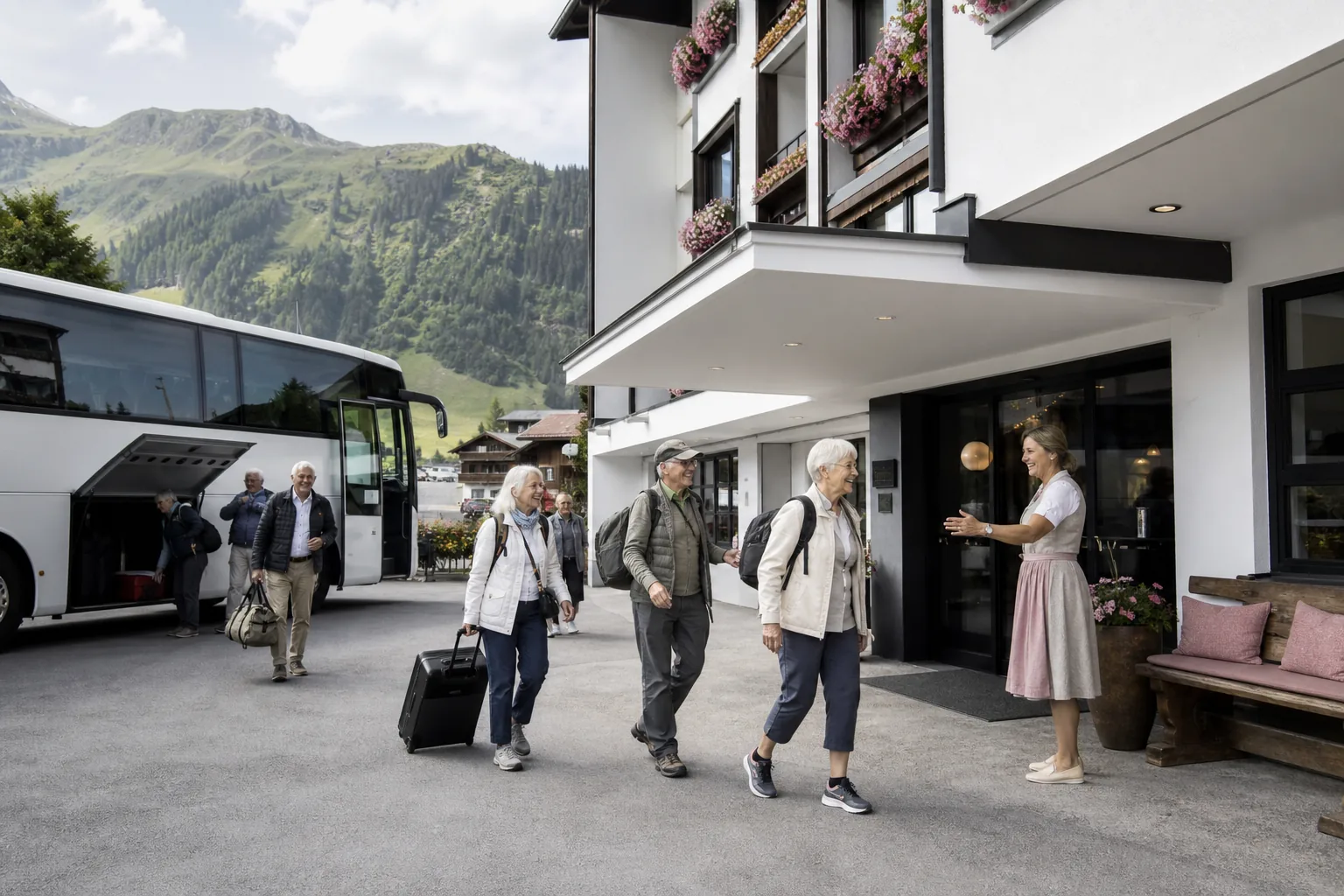
Day one sets the tone. Arrival in the Austrian Tyrol often begins from Germany or Switzerland. The focus remains on settling the group, confirming logistics, and offering a short orientation walk. Longer activities at this stage tend to slow the flow later.
Day two shifts toward Innsbruck. The city blends imperial history with Alpine views, creating an easy contrast. The historic center remains compact, which simplifies group movement. Coach parking zones near the city allow controlled entry without delays.
Day three moves deeper into the Tyrol Alps. This is where a cable car experience becomes essential. According to research, mountain lifts carry millions of visitors annually, making them one of the region’s most reliable attractions. The elevated viewpoints deliver what most travelers expect, breathtaking scenery without demanding hikes.
Day four introduces wider exploration. Valley routes, traditional villages, and nearby UNESCO World Heritage surroundings provide variety. While Tyrol itself is not heavily UNESCO-listed, nearby regions allow extended excursion options without long travel times.
Day five focuses on departure, often with a relaxed morning stop. A shorter program helps avoid delays and keeps the schedule predictable.

Where to Stay for Coach Groups in St. Anton and the Surrounding Areas
Accommodation plays a central role in planning a 5-day coach itinerary through the Austrian Tyrol. A base location must balance accessibility, group capacity, and operational flexibility.
Properties designed for group accommodation in St. Anton offer a clear advantage. Rooms spread across multiple categories allow operators to assign guests efficiently, while shared spaces support coordination.
Hotels that provide structured group travel packages also simplify planning. When meals, logistics, and room allocation are handled under one roof, operators avoid unnecessary complexity.
Dining remains another factor. A well-organized Austrian cuisine experience ensures consistency across large groups, which becomes especially important during multi-day tours.
What Excursions Work Best for Group Travel in the Tyrol Alps
Not every attraction works for groups. The most effective excursions combine accessibility with visual impact. Panoramic lifts, lake routes, and guided valley tours remain the most practical options.
Local excursions and activities that operate on fixed schedules tend to integrate better into coach itineraries. Flexibility matters less than reliability when working with large groups.
How Many Days to Spend in Austria for Group Tours
A common question arises: how many days to spend in Austria for a group itinerary? While shorter routes, such as 4 days in Austria, can work, they often feel compressed. A five-day structure allows proper pacing without rushing transitions.
A short trip to Austria format may cover highlights, but it rarely allows depth. Extending to five days creates room for both city exploration and alpine immersion.
Seasonal Planning for a Tyrol Alps Itinerary
Summer months remain the strongest period for coach travel. Mild temperatures, clear roads, and open mountain infrastructure create ideal conditions. According to European travel data, Alpine regions see peak group travel demand between June and September.
Winter, however, introduces a different dynamic. While snow-capped landscapes attract visitors, logistics require more planning. Reduced traffic during the low season can benefit operators who focus on value-driven programs.

Common Mistakes When Planning a Coach Tour in Austria
One issue appears repeatedly. Itineraries designed without considering coach limitations often fail during execution. Narrow roads, restricted access, and unrealistic travel times disrupt the entire schedule.
Another challenge involves overloading daily programs. Groups require time for boarding, unloading, and coordination. Ignoring these small details creates delays that compound throughout the trip.
Sample Cost and Planning Framework for Tour Operators
Understanding cost structure helps operators maintain profitability while delivering quality.
| Category | Typical Allocation |
| Accommodation | 40–50% |
| Meals | 20–25% |
| Transport & Fuel | 15–20% |
| Excursions | 10–15% |
This framework reflects standard distribution across coach tours in central Europe.
Why the Austrian Tyrol Works So Well for Senior Coach Groups
Senior travelers prioritize comfort, accessibility, and scenic value. The Austrian Tyrol meets these expectations naturally. Short distances reduce fatigue, while infrastructure supports easy movement.
The region’s reputation for safety and cleanliness also contributes to its appeal. According to OECD tourism data, Austria consistently ranks among Europe’s most stable travel destinations.
Planning Tools and Resources for Austria Trip Planners
Reliable planning depends on accurate data. Official tourism platforms and regional transport resources provide updated information on routes, weather, and accessibility.
Working with experienced local partners also improves efficiency. Operators benefit from on-ground support when coordinating large groups.
Turning a 5 Day Itinerary into a Repeatable Tour Product
A successful itinerary should not remain a one-time plan. Once refined, it can serve as a repeatable product for multiple seasons. Consistency builds long-term partnerships, which remain the foundation of B2B coach tourism.
Optimized Route Flow Overview
| Stage | Focus | Outcome |
| Entry | Arrival & setup | Smooth start |
| Mid | Exploration & excursions | High engagement |
| Final | Relaxation & departure | Controlled finish |

Bringing It All Together
Planning how to plan a 5 day coach itinerary through the Austrian Tyrol comes down to structure, not guesswork. When routes align with logistics, and accommodation supports group needs, the entire journey runs smoothly.
For operators looking to simplify planning and improve consistency, working with a reliable local partner makes a measurable difference. A team that understands group travel, regional routes, and operational demands can turn a standard itinerary into a long-term success model — starting with knowing how to choose the right bus for your group size and route.
If you’re building or refining your next Austria tour program, this approach can help you create something that works not just once, but every season.