
A release date is the deadline by which a travel partner must hand back any contracted rooms it hasn’t sold, so the hotel can sell them freely. Miss it, and unsold inventory reverts to the hotel automatically. Get the terms right, and both sides protect their occupancy and their cash flow.
What is a release date in a hotel allotment contract?
The release date is the cut-off day, say, 21 days before arrival, when rooms a partner hasn’t confirmed go back to the hotel’s own inventory. It stops a block of rooms sitting unsold and unpaid.
Don’t confuse it with the release period, which is the number of days before check-in (the “21 days”). The release date is the calendar day that falls on. The travel-industry definition of an allotment) sets out this standard framework of held rooms and return deadlines.
First, what is an allotment?
How the release date works (a dated example)
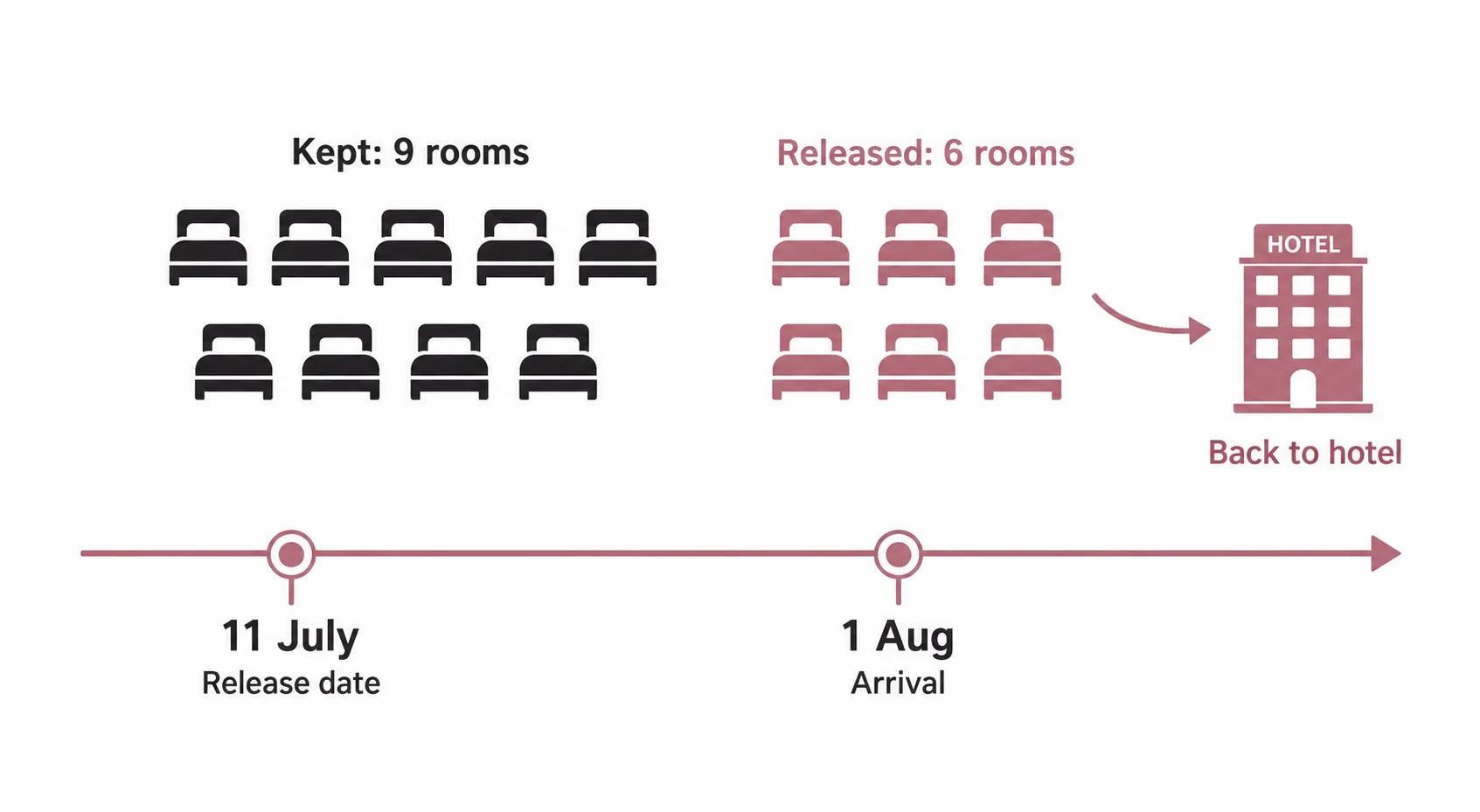
A hotel contracts 15 rooms to a coach operator for arrivals on 1 August, with a 21-day release period. The cut-off falls on 11 July. By that date the operator has firmly booked 9 rooms; the other 6 are still unsold. On 11 July those 6 rooms release back to the hotel, which is free to sell them to anyone. The operator keeps and pays for only the 9 it confirmed.
This applies to a hard (committed) allotment, where real inventory is held. With a soft allotment or free-sale arrangement there’s no committed block to return, so availability is simply checked at the time of booking.
Release periods and the “15-5 rule”
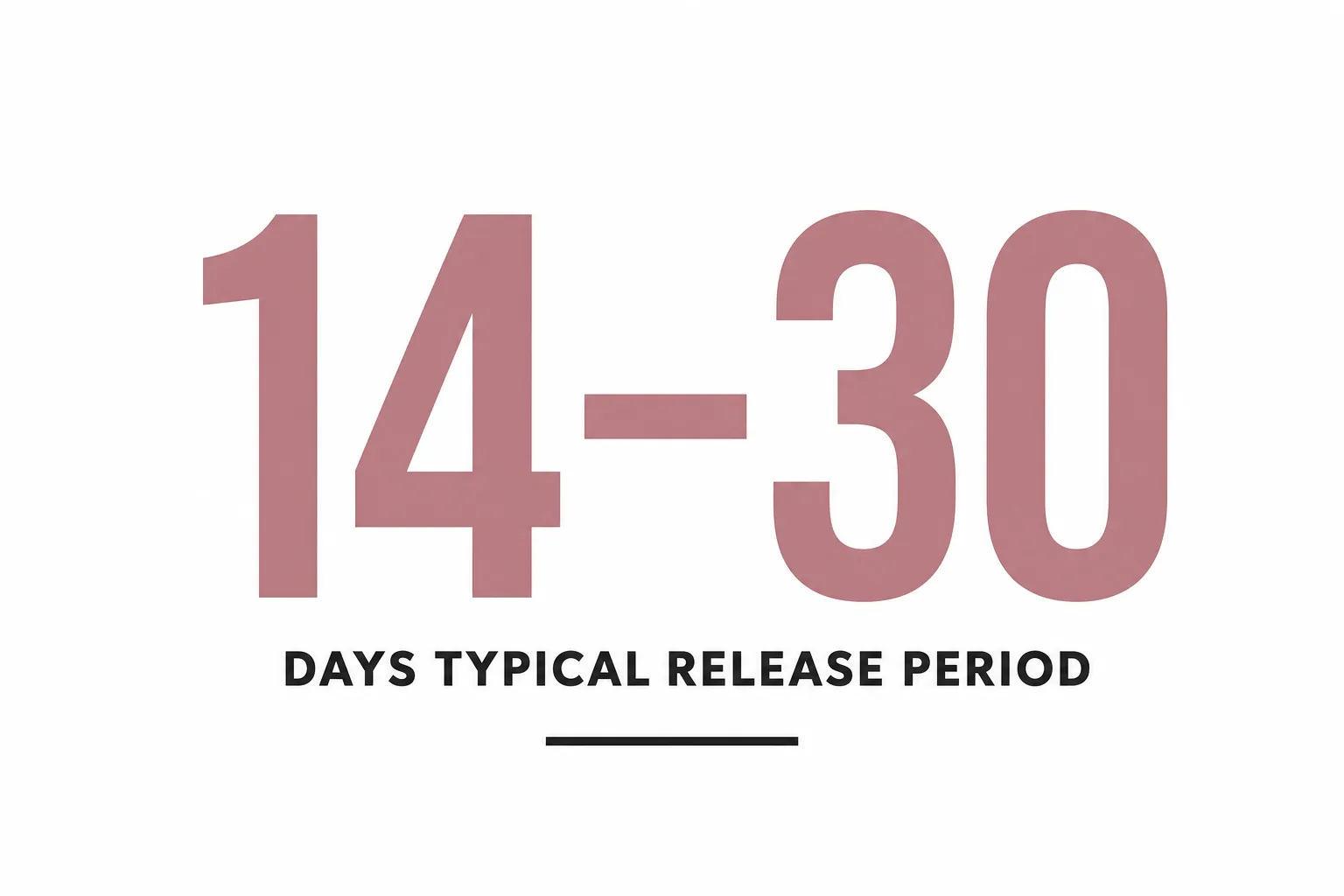
Release periods commonly run 14 to 30 days, stretching longer for peak season or large groups. Research on tour operator-hotel allotment contracts finds release periods commonly run 14 to 30 days, stretching longer for peak season or large groups.
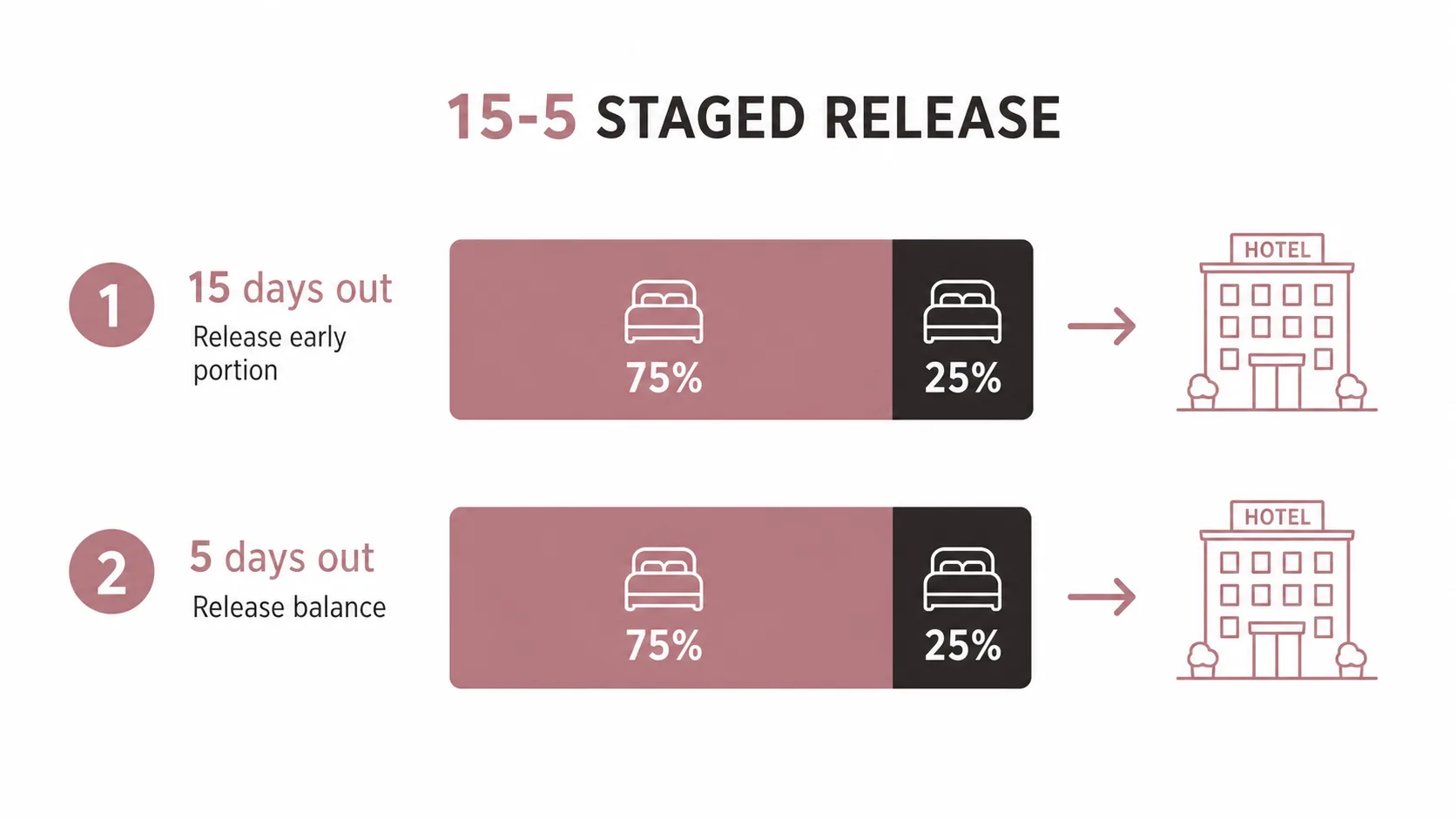
The 15-5 rule is a staged-release convention: part of the block is released at an earlier deadline (around 15 days out) and the balance at a closer one (around 5 days out). Splitting the return into stages lets the partner hold peak inventory longer while the hotel recovers slow-moving rooms sooner.
That’s why partial or staged releases are worth negotiating rather than an all-or-nothing return. Terms like these are rarely fixed; the negotiation of allotment terms) is a normal part of the contract.
Why the release date matters for your bottom line
For the hotel, it recovers sellable rooms in time to fill them. For the operator, it avoids paying for beds it can’t fill.
The release date is a cash-flow and occupancy tool, it decides how much risk each side carries, and when.
What coach and group operators should watch

Group travel books on longer lead times, so a longer release period gives you room to firm up numbers. For large blocks, anything from 20 to 70 rooms, negotiate staged releases rather than a single deadline, and confirm rooming lists early so the hotel can plan the coach arrival.
This is where a flexible partner earns its keep. As a family-run house in Austria with two buildings that comfortably hold 20 to 70 guests, coach parking directly out front, and a summer-focused group programme, we make release terms easy to manage, you can arrange coach-group allotment stays in Austria with terms built around how buses actually book.